What does everyday life on the Upper East Side actually feel like once you move beyond the headlines and postcard images? If you are considering a move here, or simply want a clearer sense of the neighborhood’s rhythm, it helps to look at how people really spend their days. From quick errands and park time to museum access and reliable transit, the Upper East Side offers a compact, lived-in Manhattan experience that feels both polished and practical. Let’s dive in.
A Neighborhood Built for Daily Routine
The Upper East Side covers a substantial stretch of Manhattan, from the north side of East 59th Street to the south side of East 96th Street, between Fifth Avenue and the East River, according to Community Board 8. The district includes Lenox Hill, Carnegie Hill, Yorkville, and Roosevelt Island. It is known for its mix of residential blocks, commercial avenues, major hospitals, museums, galleries, shopping, and restaurants.
That mix shapes daily life in a very real way. Community Board 8 also describes the district as one of the densest in the nation, which helps explain why so much happens close to home. In practice, you can often handle errands, dining, culture, and outdoor time within a relatively compact area.
Residential Feel and Streetscape
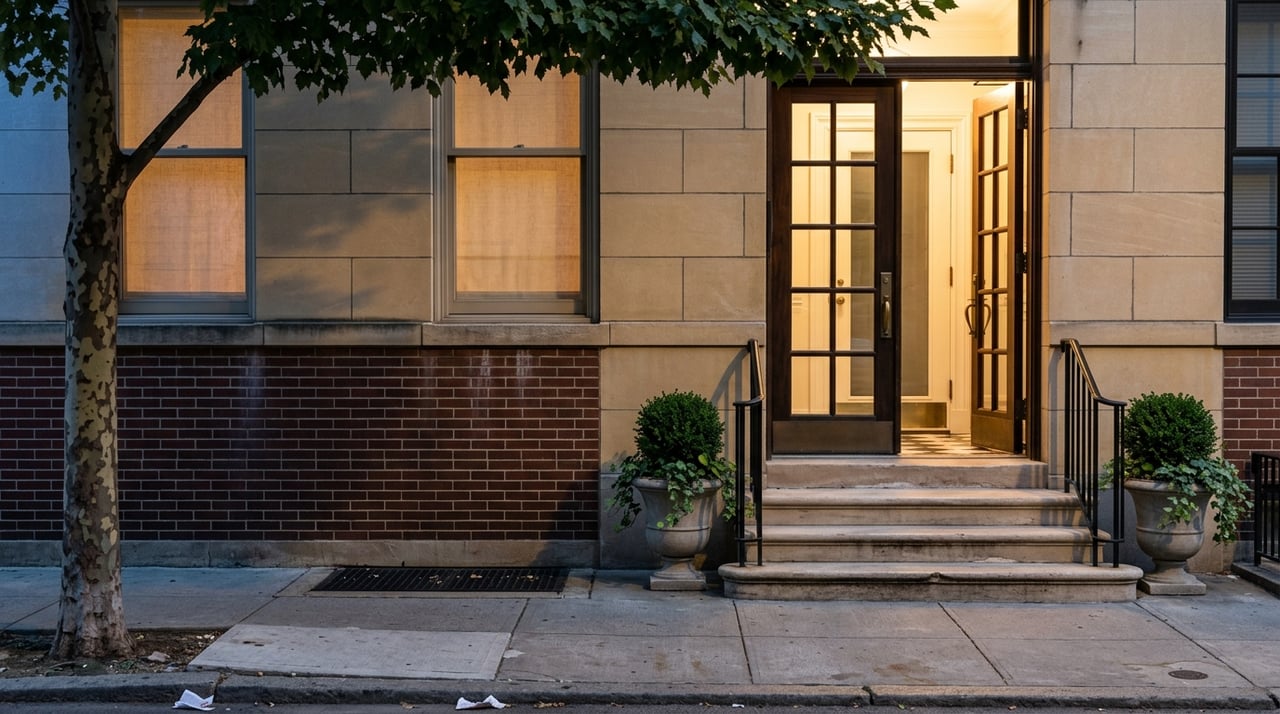
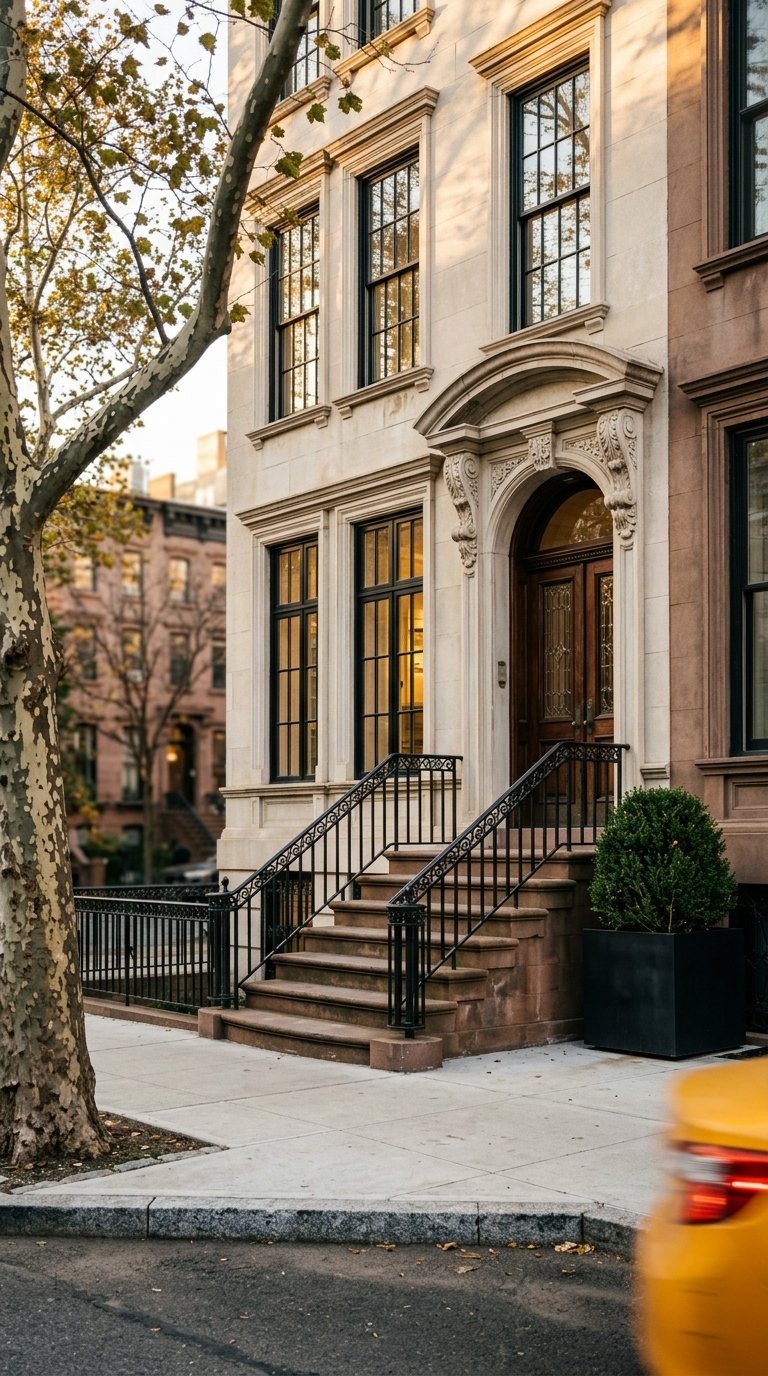
One reason the Upper East Side feels distinctive is its built environment. The neighborhood includes a range of housing types, from later 19th-century brownstone rowhouses to mid-20th-century apartment buildings. This variety gives the area visual depth while keeping a strong residential identity.
NYC Planning materials also point to contextual residential districts on Upper East Side midblocks. That helps explain a pattern many residents notice quickly: side streets often feel quieter and more residential, while the major avenues carry more commercial activity. It is a neighborhood where the rhythm changes from block to block, often within a short walk.
Errands Are Close to Home
For many people, quality of life starts with convenience. On the Upper East Side, official NYC Planning materials show commercial overlays along Second and Lexington Avenues that allow for neighborhood-serving businesses such as grocery stores, dry cleaners, drug stores, restaurants, and local clothing stores. That is a practical advantage if you value being able to do everyday tasks without needing a car.
This is one of the clearest reasons the neighborhood often feels self-contained. You are not just living near destination attractions. You are also living in a place where routine daily needs are built into the streetscape.
Food Options Fit Daily Life
The food scene supports that same sense of ease. City materials highlighting uptown dining point to places like Caffe Grazie on East 84th Street and East Side Bagel and Appetizing on First Avenue. Those examples show that neighborhood dining is not only about special occasions, but also about coffee runs, breakfast stops, and quick lunches.
That matters more than it may seem at first. A neighborhood becomes easier to enjoy when casual options are woven into your normal routine. On the Upper East Side, food and convenience tend to sit side by side.
Parks and Green Space Matter Here
Living in Manhattan often means paying close attention to outdoor access, and the Upper East Side has strong options. Its western edge runs along Central Park, which the Central Park Conservancy describes as New York City’s 843-acre backyard. The Conservancy also notes that the park stretches from 59th Street to 110th Street and welcomes more than 42 million visitors each year.
For Upper East Side residents, that proximity can shape everyday habits. A morning walk, an after-work stroll, or weekend time outdoors can feel easy to build into your schedule. Being park-adjacent is not just a nice feature here. It is part of the neighborhood’s daily appeal.
Local Parks Add Flexibility
The neighborhood also has smaller parks that support daily use. NYC Parks identifies Carl Schurz Park at 84th Street and East End Avenue as a large park with athletic facilities, public restrooms, and a playground. NYC Parks also identifies John Jay Park as a smaller park with athletic facilities, public restrooms, and a playground.
These spaces give residents more than one way to spend time outside. Depending on where you live in the neighborhood, your routine might include a waterfront-adjacent park visit, playground time, or a quick stop for fresh air closer to home. That flexibility adds real value to everyday living.
Culture Is Part of the Weekly Rhythm
The Upper East Side is one of the few neighborhoods where major cultural institutions are part of ordinary local life. Museum Mile runs along Fifth Avenue between 82nd and 110th Streets, and the Museum Mile Festival includes eight institutions, including The Metropolitan Museum of Art, Neue Galerie New York, Solomon R. Guggenheim Museum, Cooper Hewitt, The Jewish Museum, Museum of the City of New York, El Museo del Barrio, and The Africa Center.
This concentration of institutions gives the neighborhood a cultural rhythm that extends beyond tourism. If you live nearby, a museum visit can fit into a weekday afternoon or a quiet weekend plan. That kind of access can make the area feel intellectually active without needing to leave your neighborhood.
Landmark Institutions Shape the Atmosphere
Several museums also add to the Upper East Side’s physical character. The Met sits along Fifth Avenue bordering Central Park. The Guggenheim describes itself as an Upper East Side landmark and architectural icon, while Cooper Hewitt is housed in the landmarked Carnegie Mansion on Museum Mile and includes one of the city’s largest enclosed gardens.
The Frick adds another layer, with its collection presented in the historic rooms of one of New York City’s last great Gilded Age mansions. Together, these institutions help create a setting where architecture, history, and daily life feel closely connected.
Transit Supports a Walkable Lifestyle
Transit is one of the strongest practical advantages of the Upper East Side. MTA maps show bus service that includes the M15 SBS, M86 SBS, M31, M72, M79 SBS, and M66. The neighborhood is also connected to the 4, 5, and 6 subway lines, as well as the broader Second Avenue Subway corridor.
For many residents, that means you can rely on a combination of walking, buses, and trains depending on the day. A grocery run may be done on foot, while a crosstown appointment or downtown commute is supported by established transit options. The result is a neighborhood that feels walkable, but still well connected to the rest of Manhattan.
Second Avenue Subway Improved Access
The MTA notes that Phase 1 of the Second Avenue Subway extended the Q line from 63rd Street to 96th Street in 2017. It also reported that this reduced crowding on the 4, 5, and 6 lines by an average of 40 percent.
That improvement matters because transit quality affects daily comfort as much as travel time. Better distribution across lines can make regular movement through the neighborhood feel more manageable. For residents, that is a meaningful part of livability.
Healthcare Is Woven Into the Area
Another defining feature of Upper East Side life is the presence of major medical institutions. NewYork-Presbyterian/Weill Cornell Medical Center is an 862-bed hospital on the Upper East Side. HSS identifies both its Upper East Side main campus and its 75th Street campus, and Mount Sinai lists Upper East Side locations including East 85th Street.
This concentration reinforces the neighborhood’s sense of self-sufficiency. It also adds to the daily character of the area, especially on avenues and streets connected to medical campuses. For many buyers and renters, access to established institutions is part of what makes the neighborhood feel especially functional.
What Upper East Side Living Often Feels Like
When you bring all of these elements together, a clear picture emerges. The Upper East Side combines historic housing stock, neighborhood-serving retail, major cultural institutions, green space, and strong transit access in a compact part of Manhattan. That combination is a big reason why the area feels established, convenient, and deeply livable.
In everyday terms, life here often revolves around avenue errands, residential side streets, time in nearby parks, and easy access to museums and transit. It is a neighborhood where daily needs and long-term lifestyle value can exist side by side. For many people, that balance is exactly what makes the Upper East Side so appealing.
If you are thinking about buying, selling, or renting on the Upper East Side, neighborhood knowledge matters. Working with a broker who understands how daily life, block character, and property type intersect can help you make a more confident move. To start the conversation, connect with Irene Sarri.
FAQs
What is the Upper East Side known for in everyday life?
- The Upper East Side is known for its mix of residential blocks, neighborhood retail, major museums, green space, hospitals, and strong transit access, all within a compact part of Manhattan.
What kinds of homes are common on the Upper East Side?
- Official sources describe a mix that includes historic brownstone rowhouses, apartment buildings, and contextual midblock residential areas, with busier mixed-use avenue corridors nearby.
What parks serve Upper East Side residents?
- Central Park is the largest nearby open-space anchor, and local options include Carl Schurz Park and John Jay Park, both of which offer amenities such as athletic facilities, public restrooms, and playgrounds.
What transit options are available on the Upper East Side?
- The neighborhood is served by bus routes including the M15 SBS, M86 SBS, M31, M72, M79 SBS, and M66, along with the 4, 5, 6, and Q subway lines.
What makes the Upper East Side feel convenient day to day?
- The area has commercial avenues with grocery stores, dry cleaners, drug stores, restaurants, and local clothing stores, which helps many residents handle daily errands close to home.