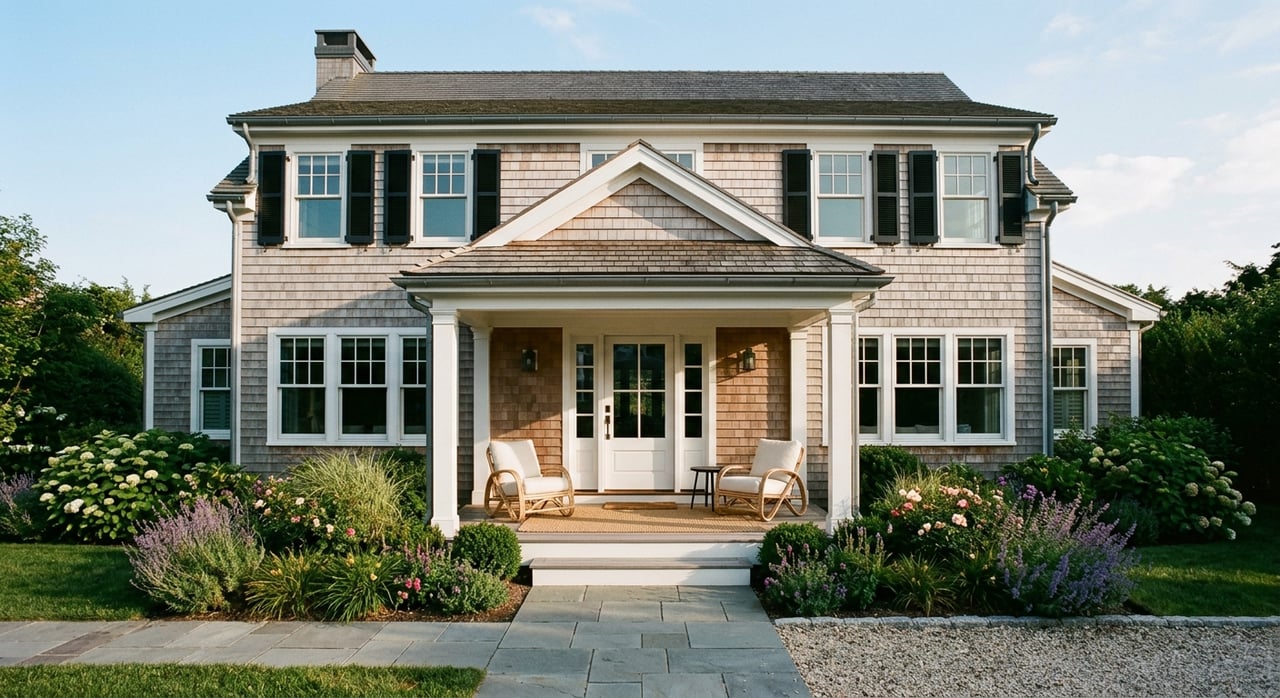
Dreaming about a Hamptons weekend home usually starts with a picture: ocean air, long beach days, and a place that feels like an escape from the city. But owning in East Hampton means more than summer postcards. It means understanding the rhythm of a highly seasonal town, planning around travel and weather, and deciding whether the lifestyle truly fits how you want to spend your time. If you are considering a weekend home in East Hampton, here is what ownership can really look like. Let’s dive in.
East Hampton Weekend Life
East Hampton, in ZIP code 11937, sits on the South Fork of Long Island in Suffolk County. The town describes itself as the easternmost town on Long Island, with about 70 square miles of land, nearly 70 miles of waterfront, and a 2024 year-round population of 29,090. That setting shapes the entire ownership experience.
For many buyers, the appeal is easy to understand. East Hampton is known for beaches, bays, harbors, boating, fishing, arts, and historic attractions such as Guild Hall, Old Hook Mill, and Deep Hollow Ranch. A weekend home here is often less about being indoors and more about having a base near the water and the town’s seasonal activity.
The Seasonal Rhythm Matters
A Hamptons weekend home does not feel the same in July as it does in January. East Hampton has a strong seasonal pattern, and that affects how you use your home, what services are active, and how often you may want to visit.
Town beaches are lifeguarded on weekends starting Memorial Day weekend until mid-June. After that, they operate full time through Labor Day. For many owners, that means the busiest and most social stretch of weekend-home living falls between late spring and early fall.
Summer also brings a noticeable population shift. The town adds about 200 seasonal summer staff on top of more than 300 full-time employees, which gives you a sense of how much activity increases. If you love an energetic, summer-centered atmosphere, that can be a major part of the appeal.
The off-season is quieter. That can be a benefit if you want more calm and space, but it also changes the pace of local life. A weekend home in East Hampton works best when you enjoy both versions of the area, not just peak-season weekends.
Weather Shapes Ownership
Climate is part of the experience, too. NOAA climate normals for nearby Montauk show average temperatures around 73.2°F in July, 72.9°F in August, and 33.7°F in January. In simple terms, summer supports the classic beach-house lifestyle, while winter brings a much different mood.
Storm planning also matters. East Hampton Town states that Atlantic hurricane season runs from June through November and peaks from mid-August to late October. If you own a second home here, late-summer enjoyment should come with practical preparation.
That preparation may include knowing your property’s elevation, understanding whether it is in a flood-prone area, and securing outdoor furniture before storms. The town also advises planning for roof, generator, and evacuation readiness. In a coastal market, peace of mind often comes from being prepared before you need to be.
Getting There Is Part of the Lifestyle
One of the biggest questions about owning a Hamptons weekend home is simple: how easy is it to get there? In East Hampton, the answer depends on how flexible you are and how well you plan.
The town points residents to several transportation options, including the Long Island Rail Road, Suffolk County Bus Transit, and the South Fork Commuter Connection. That coordinated rail-and-bus service includes last-mile shuttles to East Hampton, Amagansett, and Montauk. For some owners, that mix of options makes weekend use much more manageable.
The MTA’s Cannonball express is another well-known part of the summer pattern. It departs Penn Station at 4:07 p.m. on summer Thursdays and Fridays and runs express to stops including East Hampton. The MTA also advises Sunday return travelers to leave later in the evening to avoid the heaviest crowds.
In practical terms, owning here often means thinking ahead. Your weekend may start with a train reservation or a carefully timed drive, not a spontaneous ten-minute departure. Buyers who are comfortable planning around traffic and transit tend to enjoy the lifestyle more.
Daily Errands Feel Different Here
Weekend-home ownership in East Hampton usually means adjusting your expectations about convenience. The local base includes practical services such as the public library, post office, school district, railroad, and bus transit, but it is still a relatively small hamlet environment.
That affects how many owners handle daily needs. Errands are often grouped together, and grocery shopping is generally done in the hamlet where you live. If you are used to dense urban convenience, that shift is important to understand before you buy.
Even transportation for certain needs may require more advance planning. East Hampton Town’s senior transportation program notes that medical transportation requests need 72 hours’ notice. That detail is a reminder that life here can be wonderfully scenic and calm, but not always instant.
The Price of Entry Is High
East Hampton is a luxury-leaning market, and the numbers reflect that. Realtor.com reports a median listing price of about $2.8 million in East Hampton, along with a median monthly rent near $49,750 and a median 115 days on market. For weekend-home buyers, that means the purchase decision usually involves both lifestyle goals and careful financial planning.
The upfront price is only part of the picture. Ownership costs can also include insurance, seasonal maintenance, storm prep, and the realities of carrying a home that may be used heavily during one part of the year and lightly during another. A smart purchase here is usually about the full ownership equation, not just the asking price.
Flood Insurance and Risk Planning
Coastal ownership comes with added responsibilities. Suffolk County notes that standard homeowners insurance does not cover flooding. It also states that National Flood Insurance Program coverage may be required in high-risk areas when a mortgage is federally regulated or insured.
Timing matters here as well. Suffolk County says there is a 30-day waiting period before flood coverage starts. If you are buying in a flood-prone area, it is wise to understand the insurance timeline early, not after closing.
This is one reason many second-home buyers benefit from a strategy-first approach. In East Hampton, the most attractive property on first impression is not always the one with the easiest long-term ownership profile. Risk planning should be part of the search from the beginning.
Renting It Out Is Not Always Simple
Some buyers picture using a Hamptons home on select weekends and renting it out the rest of the time. That can be possible, but local rules matter and can vary depending on where the property is located.
If a home is inside East Hampton Village, the Seasonal Use Dwelling Unit Registry applies when an owner wants to rent the property when not using it. The Village states that a dwelling rented for more than 120 days in a calendar year does not qualify as a seasonal rental. It also generally requires a minimum lease term of 30 consecutive days, with only two two-week rentals allowed in a calendar year.
That does not mean the same framework applies everywhere in the area. Because this code is specific to East Hampton Village, buyers should confirm whether a property is inside the Village or only in the Town before making rental assumptions. For a second-home purchase, location affects more than lifestyle. It can also affect what kind of use is realistic.
Who This Lifestyle Fits Best
Owning a weekend home in East Hampton is often a strong fit if you value beach access, a summer social rhythm, and a place that feels separate from city life. It can also suit buyers who do not mind planning around trains, traffic, grouped errands, and seasonal changes.
It may be less ideal if you want year-round urban convenience or a home that feels equally active in every season. East Hampton weekend ownership tends to work best for buyers who are comfortable with a property that may be intensely enjoyed for part of the year and much quieter in the off-season.
In other words, this purchase is as much about lifestyle alignment as it is about budget. The right home can be a meaningful retreat, but only if the reality of ownership supports the way you actually want to live.
What To Think About Before You Buy
Before purchasing a Hamptons weekend home, it helps to evaluate the decision from both a personal and practical angle. A beautiful property matters, but so does how the home performs over time.
Here are a few smart questions to ask yourself:
- How often will you realistically use the home between late spring and fall?
- Do you prefer driving, train travel, or a mix of both?
- Are you comfortable with seasonal weather planning and storm prep?
- Have you reviewed likely flood insurance needs and timing?
- If rental use matters to you, have you confirmed the property’s exact jurisdiction and applicable rules?
- Does the cost of ownership make sense for your long-term goals?
A well-chosen second home should support your weekends, not complicate them. The more clearly you define your priorities, the easier it is to identify the right fit.
Owning a Hamptons weekend home can be rewarding, elegant, and deeply personal, but it is rarely casual. East Hampton offers coastal beauty, cultural appeal, and a distinct seasonal energy. It also asks you to be realistic about access, costs, weather, and how you plan to use the property. If you want a thoughtful, strategy-led approach to finding the right weekend home in the Hamptons, Irene Sarri can help you navigate the search with clarity and care.
FAQs
What is East Hampton weekend-home living like in 11937?
- East Hampton weekend-home living is centered on beaches, waterfront access, arts, and a strong late spring through early fall rhythm, with a quieter off-season.
What should buyers know about East Hampton seasonal changes?
- Buyers should know that beach operations, town activity, and overall energy increase significantly from Memorial Day through Labor Day, while the off-season is noticeably calmer.
What transportation options are available for East Hampton weekend homeowners?
- East Hampton weekend homeowners can use the Long Island Rail Road, Suffolk County Bus Transit, the South Fork Commuter Connection, or drive, but planning ahead is usually important.
What does a Hamptons weekend home cost in East Hampton?
- Realtor.com reports a median listing price of about $2.8 million in East Hampton, which reflects a luxury-leaning market before other ownership costs are added.
What should buyers know about flood insurance in Suffolk County?
- Suffolk County states that standard homeowners insurance does not cover flooding, flood insurance may be required in some high-risk areas, and coverage has a 30-day waiting period before it starts.
What should buyers know about renting out an East Hampton Village home?
- If a property is inside East Hampton Village, seasonal rental registration rules may apply, including limits tied to rental duration and minimum lease terms.
Who is the best fit for owning a weekend home in East Hampton?
- This lifestyle is often best for buyers who want beach access, enjoy a summer-focused schedule, and are comfortable with planning around traffic, transit, and seasonal ownership needs.