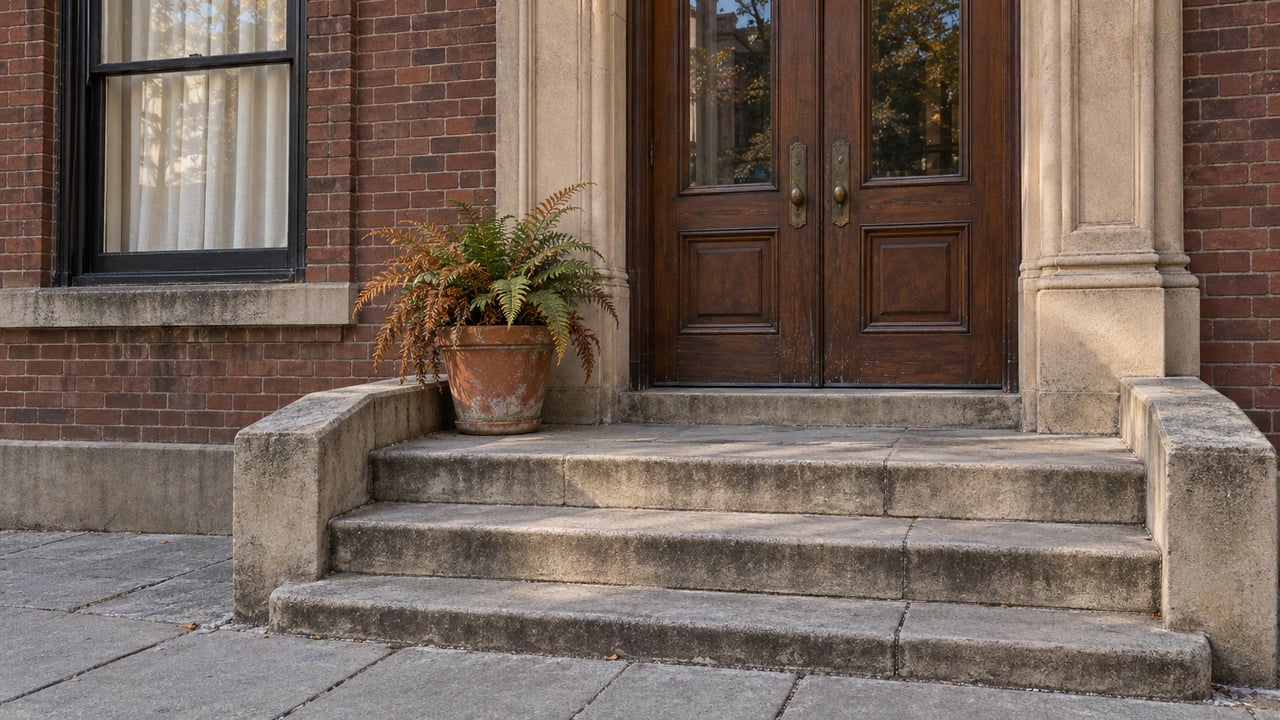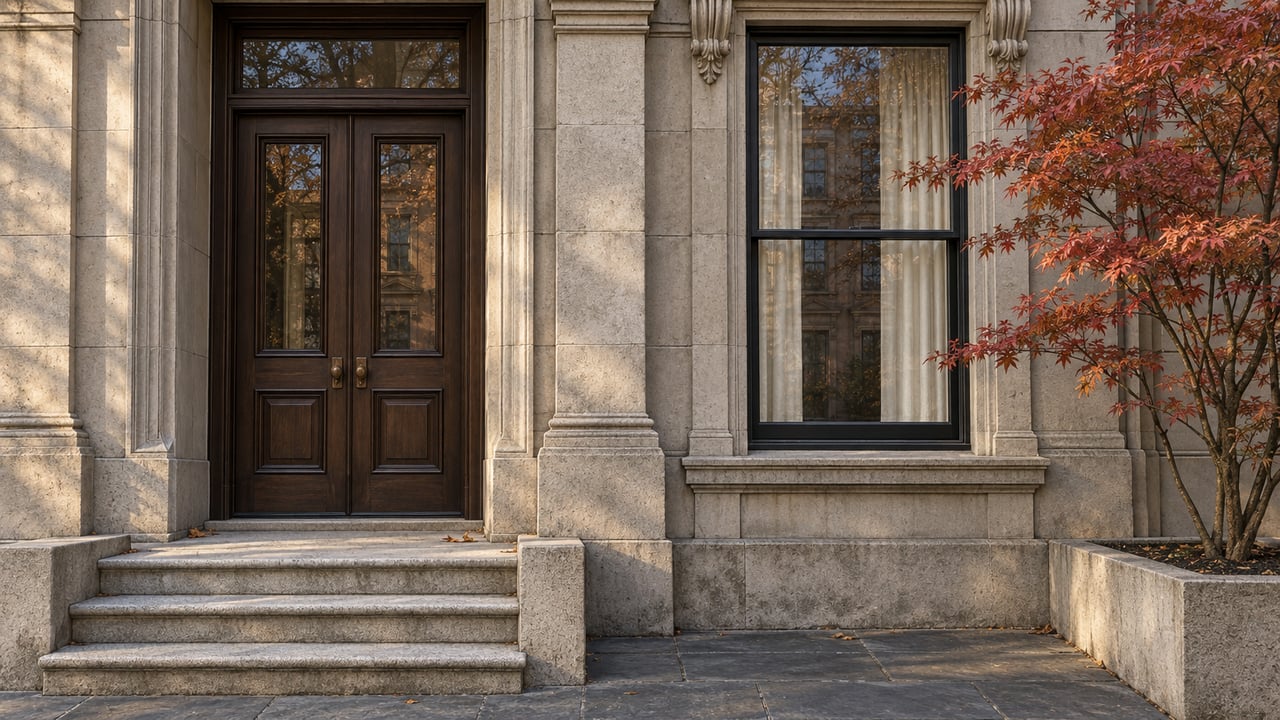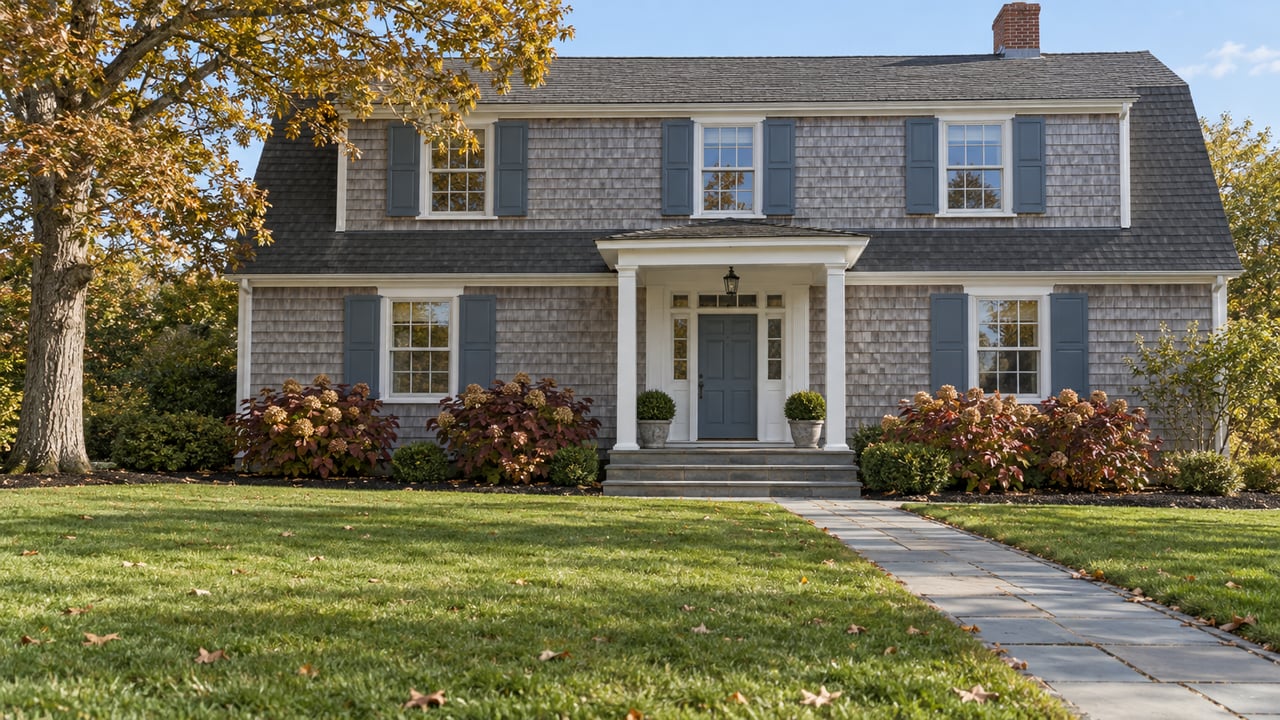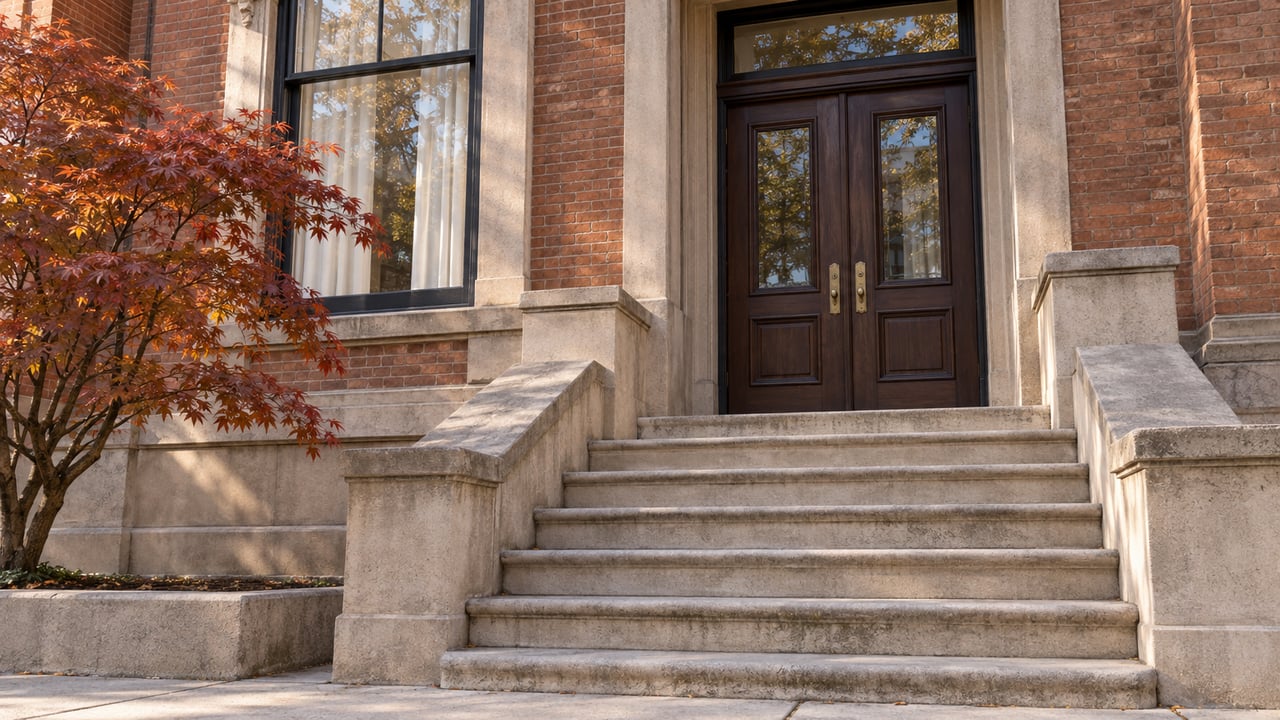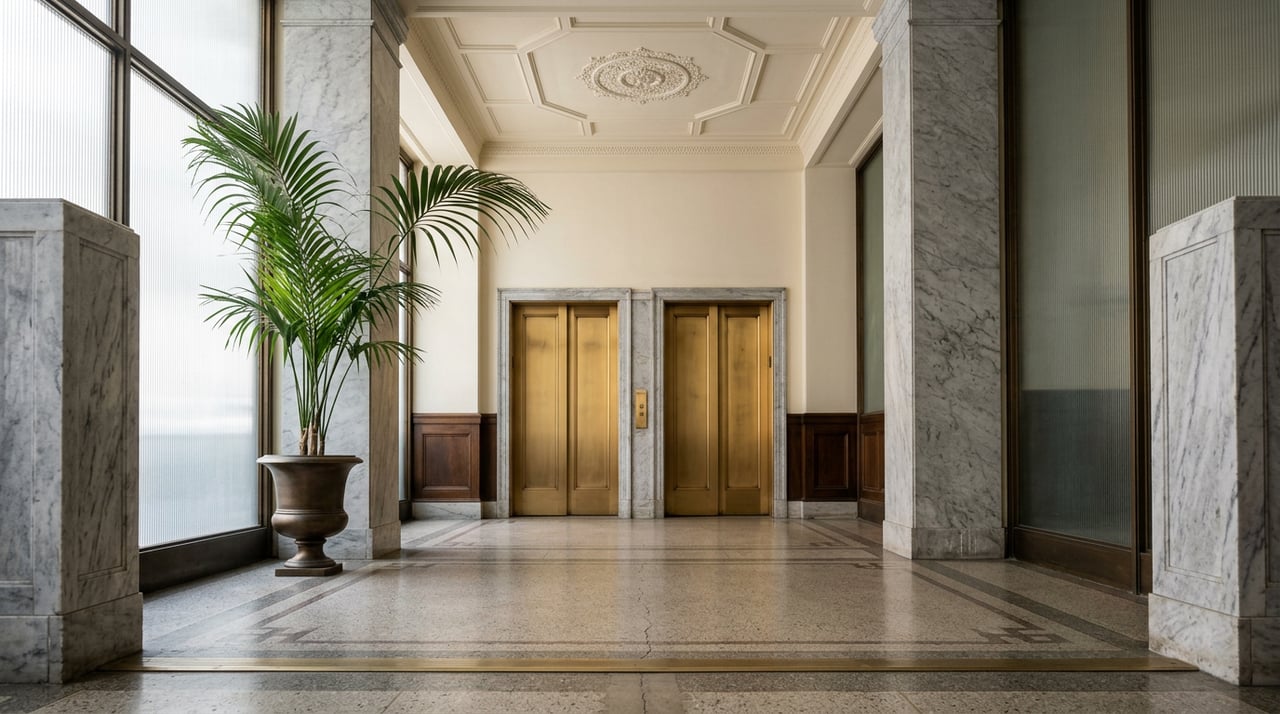
Open House New York Weekend can seem like something happening somewhere else, involving lines you may not want to stand in. But there's a reason to plan ahead. The festival itself runs October 16 through 18 this year, its 24th edition since the nonprofit Open House New York started running it in 2003. But if you actually want inside the handful of Manhattan buildings worth planning a Saturday around, the date that matters is a full week earlier: Thursday, October 8, at 11:00 a.m. Eastern. That's when reservations open for the sites that require them, and by the time the weekend itself arrives, those slots are usually gone.
This isn't a small distinction. OHNY Weekend unlocks more than 300 spaces across the five boroughs, most of them free, and the organization is explicit that this is a resident's event more than a visitor's one: it draws more than 50,000 people a year, including New Yorkers from 89 percent of the city's zip codes. That's not a tourist statistic. That's a neighborhood one.
Most of It Is Free. The Interesting Part Is Which Sites Aren't.
The mechanics are simple once you know them, and almost nobody explains them clearly before the week they matter. The majority of OHNY sites are drop-in: you show up during posted hours and walk through, no ticket required, though the popular ones develop lines. A smaller set requires advance reservation, and those go live on the same morning, October 8, at 11 a.m. A handful of paid, ticketed experiences, priced from around $6, open for booking that same day and tend to sell out within hours.
The practical result is that the festival weekend itself is almost an afterthought. The real competition happens at your laptop on a Thursday morning in early October, before most people have even registered that the event is coming. If there's one thing worth doing this month, it's putting a reminder on your phone for that specific hour, not for the weekend of the 16th.
Why the Same Handful of Manhattan Buildings Keep Making the List
Here's the part that's easy to miss if you think of OHNY as a sightseeing tour: the buildings that show up on the list year after year aren't static landmarks being shown off for nostalgia. They're buildings in the middle of being figured out, and the festival is one of the only times a resident gets to see that process from the inside rather than read about it after the fact.
Take the Woolworth Building. Open House New York held its own festival launch party inside the tower's 26th floor and vaulted lobby, the parts of the building most people only ever see from the sidewalk on lower Broadway. The building's new ownership group, Cammeby's in partnership with Witkoff, is currently repositioning the tower once nicknamed the Cathedral of Commerce into what they're calling a vertical campus, anchored by a Woolworth Design and Innovation Hub aimed at creators and technologists rather than the law firms and import houses that used to fill it. If you've wondered what's actually happening behind the scaffolding and lobby renovations on lower Broadway, that's your answer, and OHNY's own choice of venue is one of the only ways to see the transformation from the inside rather than read about it after a press release.
The Frick Collection tells a similar story from the other direction, even if it isn't confirmed on this year's OHNY docket. It reopened at 1 East 70th Street on its post-renovation footing in spring 2025, following a major overhaul that added second-floor family rooms that simply weren't part of the public museum experience before. If the last time you walked through was before 2020, that's reason enough to go back regardless of the festival calendar. It's the same phenomenon OHNY keeps spotlighting elsewhere: a familiar building quietly becoming a different one.
Open House New York has already named a few confirmed 2026 destinations directly on its own site, ahead of the full lineup announcement expected later this month, and two of them sit squarely in Manhattan: the Rockefeller Center Loft and Gardens, tucked above the plaza that hundreds of thousands of people pass through every day without ever seeing what sits above it, and the Robert Rauschenberg Foundation, the artist's working archive and studio space that operates as a foundation rather than a public gallery for most of the year. Neither is a place you can simply decide to visit in November. This is the window.
The Buildings That Get Chosen Aren't Random
Line up these names and a pattern holds. OHNY doesn't feature buildings because they're old. It features buildings because something about their current use is worth explaining in person: a landmark being reprogrammed for a different kind of tenant, a foundation that only opens its doors this one weekend because the rest of the year it's doing actual work, not hosting visitors, a museum that reopened with rooms that didn't used to exist. For a resident who has watched scaffolding come and go on a familiar block, that's a more useful lens than "historic architecture." It's a status update on buildings you already pass.
Planning an Actual Weekend Around It
If you want more than a single lucky walk-in, the logistics are worth respecting rather than improvising:
- Mark Thursday, October 8, 11:00 a.m. ET on your calendar now. That's when reservation-required sites and the roughly $6-and-up ticketed experiences open for booking, and the popular ones move fast.
- Don't assume every good site needs a reservation. Most of the 300-plus locations are free, first-come, first-served drop-ins. Save your reservation energy for the small number of sites, like the Robert Rauschenberg Foundation, that only open their doors this one weekend a year.
- If a site you want is full by the time you check, standby lines often work for popular locations closer to the festival date, since additional tickets sometimes get released a day or two out.
- Treat the full lineup announcement, expected later this September, as your actual planning document. The site names mentioned here are the ones already confirmed or historically reliable, not the complete 2026 roster.
None of this requires an out-of-town guest or a free Saturday you don't already have. It requires knowing that the real deadline isn't the festival weekend at all. It's the Thursday morning eight days before it, when a small number of buildings you walk past without a second thought decide, for exactly one weekend, to let you in.
If you're the kind of person who notices which buildings are quietly changing use around you, whether it's a lobby getting reworked on your own block or a landmark testing a new identity, that instinct is worth more than most people realize when the time comes to think about your own address. Irene Sarri spends her days reading exactly those signals across Manhattan and Queens. If you ever want to talk through what a particular building or block is really doing, not just what the listing says, reach out.